

Spending the weekend of 11 and 12 April in Belgrade? You’ll experience Serbian Easter in all its glory. Read up to understand how Easter is celebrated in Belgrade, and which places will give you the best feel for it, and how best to spend your time in Belgrade at Easter.
When is Easter Celebrated in Serbia
In 2026, Orthodox Easter falls on Sunday, 12 April. It’s the first Sunday after the full moon after the March equinox, as set by the early Christian formula dating back to the 4th century. The Orthodox Church uses the Julian calendar, which is 13 days behind the Gregorian calendar (adopted by the Western Churches in 1582), hence the difference in Easter dates.
Seven weeks prior to Easter, the Orthodox believers start the Great Lent, a period of reflection and fasting to prepare them for the celebration of the most significant and joyful Orthodox Christian festival.
Besides Easter Sunday, Good Friday on 10 April and Easter Monday on 13 April are public holidays as well.
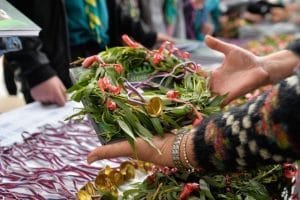
Start of Easter Celebrations in Serbia – Children’s Feast Called Vrbica
The Easter celebrations in Serbia start on the preceding Saturday, on 4 April in 2026. Lazarus Saturday celebrates the resurrection of Lazarus by Christ, before his triumphant entry to Jerusalem that is celebrated on Palm Sunday.
In Serbia, Lazarus Saturday is also known as Vrbica, as willow branches are brought to churches on this day, symbolizing the palm branches honoring Christ in Jerusalem. Vrba is the Serbian word for willow.
These are the locations of the churches in the central parts of Belgrade where you can experience this tradition: Saint Sava’s, Belgrade Cathedral, Saint Mark’s, Vaznesenjska – Holy Ascension, Saint Alexander Nevsky.
The children are brought to church on this day, wearing willow or floral wreaths on their heads and little bells on the bands in red, blue and white stripes of the Serbian national flag around their necks. The bells symbolise the joy of greeting and honouring Christ in Jerusalem.
That’s why on this day you can see cheerful crowds of dressed-up children playing in the church yards.
If you’re interested in bringing the little bells back home as souvenirs, you can easily find them at church shops or street vendors nearby.
Experience Orthodox Easter Traditions in Belgrade
Orthodox Easter in Serbia is filled with traditions, so let’s go through the most interesting of them.
Coloring Easter eggs on Good Friday
Easter eggs are coloured on Good Friday (Veliki Petak in Serbian). The old Serbian tradition is to dye the eggs using the onion skins.
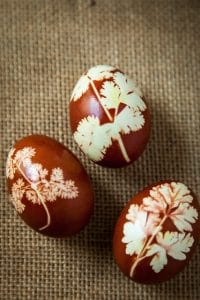
The onion skins are first boiled in water and vinegar for 40 minutes. Then the eggs are added and left to simmer for 10 to 30 minutes, depending on how dark and intense you want their hues to be. For creating the floral patterns on the eggs, you wrap the leaves, branches or flowers around the eggs, using a nylon stocking to hold them together while simmering.
The egg that was coloured first (usually a red one) is assigned a special meaning of protecting the family and their home. It’s called Čuvarkuća and kept in a special place until the next Easter.
Attend Midnight Easter Service on Saturday Night
The Midnight Easter Service starts around 11 pm on Easter Saturday. The bells ring, inviting the believers to the service, after having been silent since the evening of Good Thursday. During Good Friday and Easter Saturday, the church bells don’t ring, to mourn the crucifixion of Christ, and the believers are called to the services by the sound of a wooden clapper.
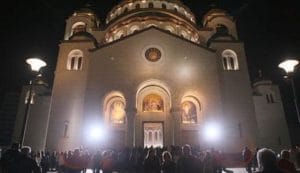
Around midnight, all the lights in the church go down. The priests lead the procession of the faithful outside the church, to walk around it three times while singing the troparion Christ is Risen, carrying icons and candles.
Circling the church three times symbolizes the three days Christ spent in the grave. When the procession returns to the closed door of the church, the priest beats on it and proclaims “Hristos Voskrese!” (Christ is Risen!) to the people responding with “Vaistinu Voskrese!” (Indeed He is Risen!). The door then opens, and the faithful enter the church that is now brightly lit, meaning that Resurrection won over the darkness of death.
The Service lasts two to three hours. The believers stand on their feet during the Service. If you stand a bit further from the iconostasis, you can walk in and out easily, should you wish. Make sure you are properly dressed, not wearing shorts. sandals or sleeveless tops.
If you get inspired to discover more about Serbian Orthodox traditions and art, consider a guided tour of Orthodox icons in Belgrade, led by an art historian.
Practice Serbian Orthodox Easter Greeting
On Easter Sunday and the following days, the Serbs greet each other with the Easter Greeting instead of the regular Dobar dan. The greeting is Hristos Voskrese or Hristos Vaskrese, meaning Christ is Risen, to which the other party responds Vaistinu Voskrese or Vaistinu Vaskrese, meaning Indeed He is Risen.
If you find the traditional greeting too complex to pronounce, saying Srećan Uskrs or Srećan Vaskrs, meaning Happy Easter, will do just fine.
Try Easter Egg Tapping
Egg tapping is our favorite Serbian tradition on Easter Sunday and Monday.
Visit a farmers’ market on Good Friday or Easter Saturday to get your coloured eggs. Try to get there early, around 8 or 9. Visiting later still makes sense, but be prepared for the crowds. For discovering the best stalls with the tastiest bites, you may want to visit Belgrade’s favourite farmers’ market with a private guide.
On Easter Sunday, before lunch, head to the church yards or to Terazije Square or Skadarlija, with its string of traditional taverns, to find enthusiastic rivals to tap eggs.
Easter Sunday Lunch
On an Easter Sunday in Serbia, the family gets together around the table.
The Easter lunch starts with an egg fight and eating the eggs that were cracked. The traditional appetisers follow — a platter with various types of curated meat and cheese, called meze, served with homemade bread and phyllo pastry. The soup comes next, a veal broth that simmered for hours.
The pork or lamb roast is the uncontested star dish of Easter Lunch of 2026 in Serbia. The side dishes include oven-baked potatoes and colourful seasonal salads of pink radish, spring onions and lettuce.
Best Restaurants for Easter Lunch in Belgrade
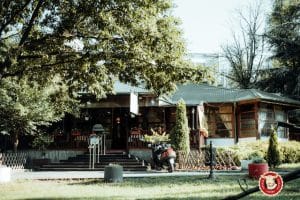
For eating roast on Easter Sunday, we suggest Uzelac, located next to the Belgrade Hippodrome or Proleće in the historic centre of Belgrade. For the experience of the complete Easter lunch, have the traditional appetizers and soup before the roast.
Both places have outdoor seating in addition to dining halls.
Tradition-inspired buys
If you’re into exploring Serbian vintage folk objects or tradition-inspired clothes, make sure you drop by these two places, with carefully curated offering.
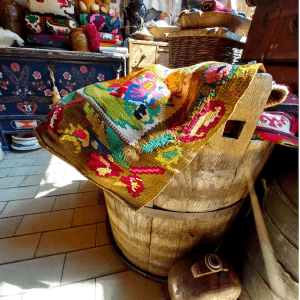
For vintage folk textiles and pottery, head to Dub in Zetska Street, close to Skadarlija, and talk to the shop owner to discover his personal favourites and the provenance stories. He’s been in business since 1988, so you’re in for a treat.
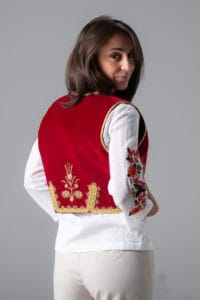
If you’re looking for something traditional yet made nowadays, but with equal mastery, like embroidered tops, skirts or accessories, visit Opančareva kći in the Dorćol neighbourhood. Don’t miss delicious cake and coffee next door, at Fini, imagined and baked by fine artist Ivana.
If you’d like to be accompanied by a local enthusiast, book a tour of concept and local designer stores in Belgrade.
Walk, Run, Hike, Cycle, Kayak
Belgrade parks and woods, its two rivers, the Sava and Danube and Lake Ada, with a pebble beach, offer many opportunities to move and soak in greenery.
Sunday afternoon and Monday morning are quite sure to pass without crowds.
Sunset kayaking around the river island is certain to be unforgettable, as you can see the entire city from the river and enjoy nature at the same time.

Morning runs, walks, cycling and inline skating feel great at Ada, along an 8km route circling the lake, and along the river banks in New Belgrade and Zemun. At Ada, you can rent bicycles and inline skates.
If you like hiking in the woods, head for Košutnjak or Zvezdarska šuma. As their altitude is higher than the rest of the city, be ready for chillier air and great views. They’re also great picnic spots, so consider stuffing your picnic baskets on Saturday.
Whatever you choose to do in Belgrade at Easter, we wish you Happy Easter – Hristos Voskrese!
Besides Easter, discover other events and experiences in April 2026 in Belgrade you don’t want to miss.