
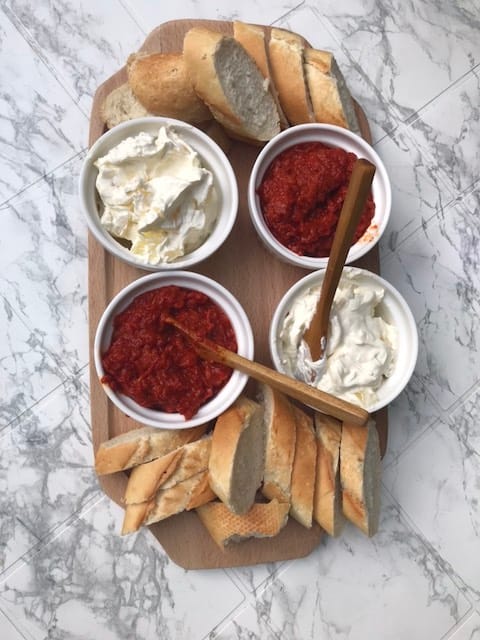
The best Serbian foods to try in Belgrade are ćevapi, kajmak, ajvar, kulen, Karađorđeva steak and veal under the sač lid. The easiest way to taste many of them in one outing is a 90-minute guided tasting at Kalenić farmers market, where you sample straight from the producers’ stalls.
Below are our ten favorite traditional Serbian dishes, the stories behind them, and the best places in Belgrade to eat each one. Along the way: a slow-cooking method dating back to the Middle Ages, a steak invented in Yugoslav times, and why ajvar brings back childhood memories for so many people here.
- Appetizers: Pršuta, Kulen, Ajvar, Proja
- Cheese & Dairy: Kajmak, Zlatar Cheese, Miroč Cheese
- Meat dishes: Ćevapi, Karađorđeva Steak, Veal under the Sač Lid
If you’re a fan of food festivals – read our post on types of gastro events to expect in Belgrade.
Serbian Appetizers
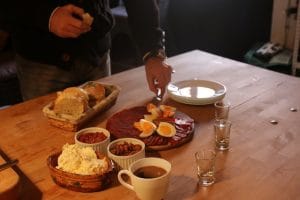
Traditional Serbian appetizers, often called Meze, are bite-sized pieces of cured meat and cheese.
Besides their flavors, there are two compelling reasons to try Serbian appetizers when in Belgrade. One – they’re perfect for munching without having to stop a conversation, and two, they’ll save you from Serbian rakija (fruit brandy) kicking in too intensely.
Pršuta (Prshuta)
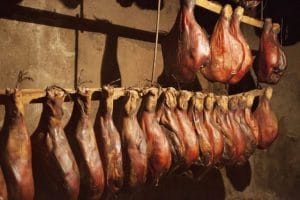
Pršuta is somewhat similar to Italian Prosciutto in the way it’s produced. There are two varieties of Pršuta you can try in Belgrade. Njeguška Pršuta, from the mountain village Njeguši in Montenegro, is made from the whole pork hind leg.
The meat is first covered in salt and left to rest for a couple of weeks, then pressed for 10 days, smoked for around a month, and then left to dry-age for a year. The Pršuta variety from Užice (Uzhitse) in Western Serbia differs in that the pork leg is cut into pieces, which takes shorter to age.
Kulen
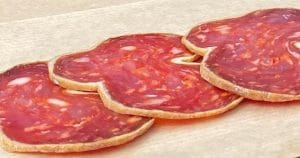
Kulen is the traditional cured meat of Vojvodina, the Serbian part of the Pannonian Plain. It’s a piquant sausage made from the finest pork loin with the addition of around 2% of high-quality ground red pepper, cased in a specific part of pork intestines called Kata in Serbian. The ground red pepper gives Kulen its specific flavor and color.
Kulen sausage is smoked with beech or cherry wood and dry-aged for six months. The most popular variety is Kulen from the region of Srem, which includes around 10% of back bacon in addition to the pork loin.
Ajvar
Ajvar (Ayvar) is the most delicious vegetable-based Serbian appetizer.
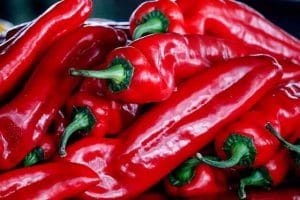
It’s a spread made of ground roasted sweet red peppers, sunflower oil, salt, and vinegar.
The peppers are roasted over an open flame until they turn soft and slightly charred, which gives ajvar its unique sweet and smoky flavor. Roasted peppers are skinned and ground by hand, then fried with sunflower oil. The spicy version of Ajvar is made by adding chilli peppers to the mixture.
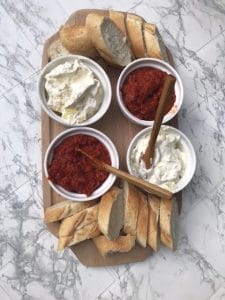
The texture of Ajvar is creamy, yet you can unmistakably feel the fine bits of peppers.
The legend has it that the name Ajvar comes from the Turkish Havyar, which means caviar. The clever tavern owners in late 19th-century Belgrade were marketing the red pepper spread as “vegetable caviar”, as the peppers and sunflower oil were costly at the time.
The home-made Ajvar became popular in Serbia, then a part of Yugoslavia, after World War II, when the peppers and oil became affordable. Cooking ajvar was more than preparing a condiment for winter; it was a ritual of socializing.
Female relatives or neighbors would come together for an entire day or two of roasting peppers, skinning them, frying them, and filling the jars with Ajvar. The mesmerizing smell of roasting peppers would spread from gardens and home kitchens in September.
Serbian Corn Bread Proja
Proja (Proya) is a traditional Serbian bread made of cornmeal, water, and salt. Simple yet comforting, Proja’s golden crust and grainy texture pair perfectly with the savoury meat and cheese appetizers. It’s served cut into square pieces, ideally straight from the oven. Best Proja is made from stone-ground corn.
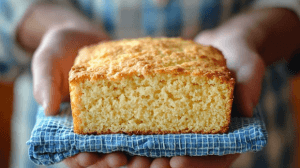
In the past, Proja was a less expensive alternative to wheat bread during the times when wheat was scarce or costly. Nowadays it is enjoyed for its rustic taste and being light on the stomach, as a part of Meze, snack, or as part of a typical Serbian breakfast.
Where to Try Serbian Appetizers
Restaurants with traditional Serbian cuisine serve platters with a selection of Serbian appetizers. To eat delicious Serbian food in Belgrade, try one of the famous triplets in the cobbled Skadarlija, in business since the 1850s: Ima dana, Dva jelena, or Tri šešira. In New Belgrade, our favorite for Serbian appetizers is Stara srpska kuća.
Serbian Cheeses & Dairy
If we had to pick the tastiest dairy for you to try in Belgrade, that would be Kajmak (Kaymak). Rich, fatty flavor and creamy texture of Serbian Kajmak are a true treat for even the most demanding foodies.
Kajmak
Kajmak is a spread made from a delicate fat crust that forms on simmered cow milk. If left to rest only for a day or two, the spread that keeps a sweet and mild taste of the milk is called Mladi (Young) Kajmak. If salted and aged, Kajmak becomes firmer and more savoury, its texture turning grainier and its color yellowish. The aging can last for several months.
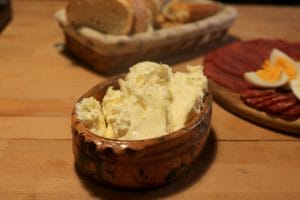
Kajmak is spread over bread, eaten with Meze or with grilled red meat. Kajmak is never wasted in a Serbian household. If it gets too mature, the home cooks fill the phyllo pastry with it.
The regions of Kraljevo, Čačak, and Užice have a reputation for producing the best kajmak.
Both types, Young Kajmak and Mature Kajmak, have their loyal consumers. Our personal favorite is Young Kajmak. To taste the freshest Young Kajmak, skimmed just a day earlier, visit the best farmers market in Belgrade with a local guide.
Zlatar Cheese
Zlatar Cheese is the best cheese from Western Serbia, produced exclusively on Zlatar Mountain. It is full-fat soft white brined cheese made from cow’s milk.
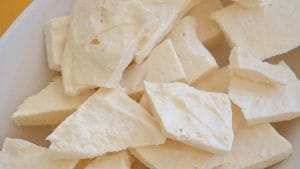
Zlatar region, famous for its unspoiled nature and air, has its culinary representative in Belgrade, the namesake restaurant. Try Zlatar restaurant for cheese, buckwheat phyllo pie, and an incredibly vast selection of rakijas made in their distillery.
Miroč (Miroch) Cheese
Miroč Cheese represents Eastern Serbia. Made only by a few producers from the region of Miroč mountain, Miroč Cheese is ranked among the 50 best cheeses in the world. It’s made from full-fat cow milk and lightly cooked in its own brine.
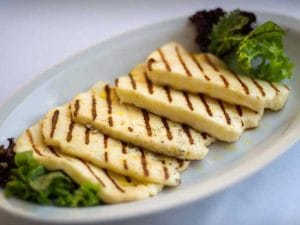
Try grilled Miroč Cheese at Dvorište in Central Belgrade or buy it at Domaccini store close to Kalemegdan and grill it yourself.
Grilled & Meat Dishes
Ćevapi (chevapi) or Ćevapčići (chevapchichi)
Ćevapi are the undisputed stars of the abundant grilled meat offering in the Balkans. The Serbian Ćevapi are made from minced beef neck and shoulder, as these cuts provide the delicious balance between fat and lean. Some Ćevapi recipes include adding up to 30% of pork to beef.
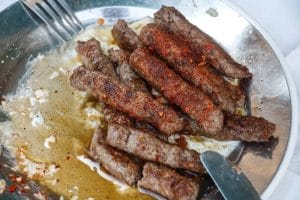
The meat is seasoned with salt and pepper and rolled into small sausage-like batons. Grilling them over charcoal gives Ćevapi a distinctive smoky flavor and delicate savory crust. Inside, they remain soft and juicy.
Ćevapi are served with fresh flatbreads, lepinja or somun, that soak up the meat juices. On the side: chopped raw onions for bite and sharpness, and a spoonful of Kajmak.
What to drink with Ćevapi? Beer, Merlot, or Pinot Noir.
Where to eat the best Ćevapi in Belgrade? Our absolute favorite is Morava Meat Concept Store at Palilulska Food Market. The place is edgy, yet still loyal to the 40-year-old family beef Ćevapi recipe.
Karađorđeva (Karajorjay) Steak
Karađorđeva šnicla (steak) is probably the only Serbian dish for which we know exactly who and when first made it.
The chef who invented Karađorđeva Steak is Mića Stojanović. The year was 1956.
A celebrity radio speaker, daughter-in-law of the Yugoslav President Tito, came to the restaurant where Mića was the Chef and ordered the fashionable Chicken Kiev, a deep-fried breadcrumb-coated chicken breast wrapped around a lump of butter with garlic.
Mića didn’t have any chicken or butter on stock, so he decided to improvise. To prepare the wrapped steak, he used veal and kajmak for the filling, instead of chicken and butter. The guest loved it, and Mića decided to keep the newly invented dish on the menu.
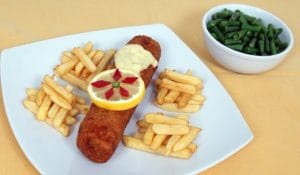
A couple of years later, Mića named this dish after Karađorđe, a Serbian revolutionary commander from the 19th century, who led the uprising and military operations that started Serbian liberation from the Ottomans. The decoration of the steak bears the symbolism of the Order of Karađorđe’s Star.
The original Karađorđeva Steak size is 220g, served with fried potatoes and boiled green beans on the side.
What to drink with Karađorđeva Steak? You’d expect red wine, yet its inventor, Chef Mića, insists Karađorđeva Steak pairs best with the Serbian white wines from the Oplenac region, the homeland of Karađorđe.
Where to eat the best Karađorđeva Steak in Belgrade? No better place than Mića’s restaurant in Zemun, now run by his son Milan. The location and the interior are unassuming, appropriate for the steak made from a 60-year-old recipe. The atmosphere is warm, and the staff is friendly and talkative. The guests are mainly regulars.
Slow Cooked Veal Under Sač Lid – Teletina Ispod sača
This incredibly tender veal is slow-cooked at the open fireplace in the traditional way, under a sač (satch) – a metal or clay lid covered with hot embers. In the mountain villages of Serbia, Montenegro, Bosnia and Herzegovina, and Croatia, Sač has been in use for centuries.
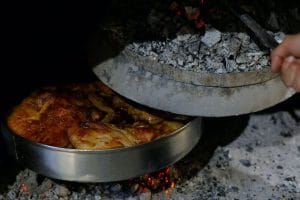
Meat, potatoes, and vegetables cook in their own juices, slowly releasing their aromas and blending harmoniously.
Where to eat the best Veal Under Sač Lid in Belgrade? The locals unanimously agree that Durmitor restaurant in New Belgrade is the place to have Veal Under Sač.
Other Serbian Dishes Worth Trying
You’ve probably heard of Sarma – rolled sour cabbage leaves stuffed with minced meat and rice. Sarma is an absolute favorite in cold weather. During spring and summer, we still eat veggies filled with meat and rice: dock leaves, bell peppers, or zucchini.
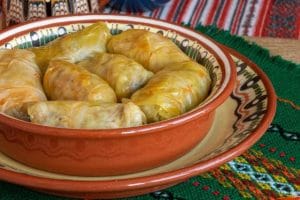
You can try them at Suvobor or Proleće in the historical center of Belgrade.
Tasty Serbian Desserts
Although Serbia isn’t the homeland of either Krempita or Baklava, it would be a pity to miss their Belgrade variations.
Krempita
The most celebrated Krempita in Belgrade is celebrating its 80th birthday this year. The crispy homemade puff pastry, with light Bourbon vanilla scented cream, has been on the menu of the eminent restaurant Klub književnika (Writers Club) since its opening in 1946.
Baklava
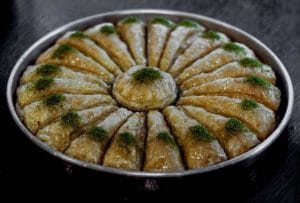
Belgrade has its own Baklava master from Gaziantep, the Turkish capital of Baklava. Mustafa has been living in Belgrade since 2004. His shop Balkan Baklava, in the central Carice Milice Street, offers many types of Baklava, even the Baklava and ice cream combo!
If you share our taste for good stories, you’ll want to know about our thematic tours of Belgrade. We’d be delighted to take you to explore Belgrade, a city that is as unapologetic and authentic as its food.